
A Critical Engineering & Business Breakdown of Connectors in Explosion-Proof Vehicle Cameras
 By Stephen . Defend Engineer
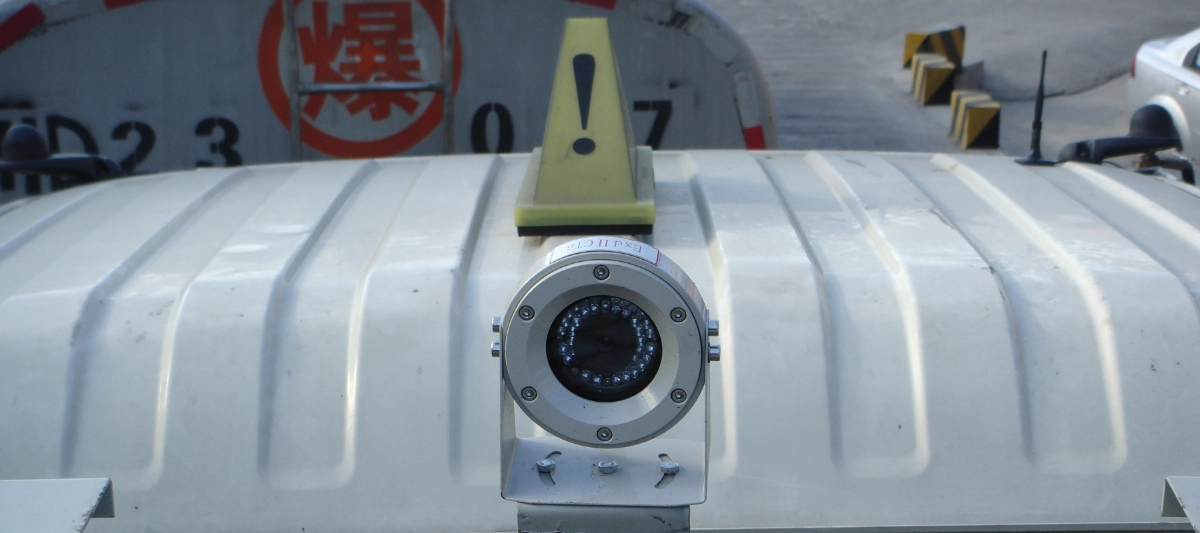
In heavy-duty industries, enclosing high-definition vision systems in explosion-proof housings is only half the battle. The most vulnerable point is the physical boundary where power, control signals, and high-bandwidth video feed cross into the sealed enclosure.
In heavy-duty industries—ranging from oil and gas transport and chemical logistics to underground mining vehicles—enclosing high-definition vision systems in explosion-proof housings is only half the battle. The most vulnerable point in any explosion-proof camera system is rarely the housing itself; it is the physical boundary where power, control signals, and high-bandwidth video feed cross from the outside environment into the sealed enclosure.
For vehicle-mounted cameras, this challenge multiplies. These systems must simultaneously handle explosive atmospheres (Zone 1/21 or Class I, Div 1) and severe mechanical fatigue caused by engine vibration, thermal cycling, and constant physical shocks. Selecting or designing the right connector architecture for vehicle explosion-proof cameras is a decision that dictates not only regulatory compliance, but also system field reliability and total cost of ownership (TCO).
Below is a two-tiered strategic analysis of connectivity solutions for vehicle-mounted explosion-proof cameras.
1. Supportive Analysis: Technical Rationale & Current Industry Standards
From an engineering and compliance perspective, current industry solutions favor heavy-duty threaded interfaces (such as M12 industrial circular connectors and Ex d explosion-proof cable glands) for clear and logical reasons.
A. Flameproof Mechanics vs. Ingress Protection
Explosion-proof vehicular hardware typically relies on the Ex d (Flameproof) protection concept. The core principle is simple: if an internal electrical spark causes an explosion inside the camera housing, the enclosure and its entry points must withstand the internal pressure and cool down the expanding gases before they can ignite the surrounding external atmosphere.
- Threaded Flamepaths: Heavy-gauge NPT (e.g., NPT 1/2” or 3/4”) or Metric (M20x1.5 / M12x1.5) precision threads act as flamepath barriers. The thread engagement length quenches flames before gas escapes.
- Dual-Sealing IP Ratings: Vehicle cameras are exposed to high-pressure washdowns, rain, and road debris. Utilizing double-compression cable glands or M12 connectors rated at IP68/IP69K ensures that atmospheric sealing and explosion containment operate independently without compromising each other.
B. High-Vibration Mechanical Integrity
Vehicular environments introduce continuous low-frequency vibration and high-g momentary shocks. Standard RJ45 modular jacks are notoriously prone to micro-fretting and clip breakage under vehicular vibration. In contrast, M12 X-coded (for Gigabit Ethernet/PoE) and A-coded (for power/sensor signals) threaded circular connectors are mechanically pinned and locked. Their screw-locking mechanisms eliminate micro-disconnections, preventing packet loss in IP cameras or signal dropout in analog HD feeds.
C. Material Resilience
Industrial-grade connectors for hazardous vehicle deployment almost universally specify 316L Stainless Steel or Nickel-Plated Heavy Brass. Stainless steel is essential for resisting corrosive road salts, chemical off-gassing, and harsh washdown solvents, preventing physical degradation of the flamepath over years of deployment.
2. Counter-Perspective: Critical Blind Spots, Over-Engineering, and Business Disruptions
While the industry's reliance on traditional Ex d cable glands and heavy M12 connectors makes sense on paper, a critical business and product lens reveals major strategic flaws and unexploited market gaps. If we step outside the conventional engineering framework, several systemic issues emerge.
A. The "Pigtail Gland" Trap vs. True Modular Interconnects
The vast majority of vehicle-mounted explosion-proof cameras sold today use factory-prewired Ex d cable glands (pigtails) rather than quick-disconnect connector sockets.
- The Problem: When a camera fails or a lens gets scratched in the field, technicians cannot simply unplug the camera. They must dismantle the flameproof enclosure or trace and disconnect the entire cable harness through the vehicle chassis. This turns a 5-minute replacement job into hours of costly fleet downtime.
- The Challenge: Manufacturers avoid integrated Ex d-rated quick-disconnect receptacle sockets because certifying a male/female explosion-proof plug-and-socket assembly (e.g., ATEX/IECEx Zone 1 quick-connects) adds significant initial BOM cost and requires rigorous multi-regional certification.
- The Opportunity: Building a camera with a certified, field-pluggable Ex-rated interface shifts your product from a standard hardware commodity to a fleet-manager-friendly system centered on uptime and low maintenance costs.
B. Bandwidth Bottlenecks in the Age of AI and Edge Compute
Modern vehicle vision systems are no longer just passive video recorders; they are edge-AI hubs processing multi-camera surround vision, driver monitoring, and thermal imaging simultaneously.
- The Problem: Traditional explosion-proof connectors were designed for low-frequency power or standard 100Mbps Ethernet (M12 D-coded). Passing raw high-bandwidth sensor data (such as GMSL2, FPD-Link III, or 10GbE) through a heavy flameproof barrier without signal attenuation or severe Electromagnetic Interference (EMI) is a major hardware bottleneck.
- The Gap: Standard Ex connectors lack impedance-matched internal geometry for ultra-high-frequency serial lines. Manufacturers that solve high-speed, low-latency Ex-certified pass-throughs (e.g., hybrid copper-fiber Ex interfaces) will capture the next generation of autonomous mining and intelligent industrial fleet vehicles.
C. Over-Engineering for Zone 1 vs. Real-World Vehicle Demands
A common misstep in product strategy is blindly designing every vehicle camera component to strict Ex d Zone 1 enclosure standards, driving up weight, size, and cost unnecessarily.
- Re-evaluating Protection Concepts: In many vehicular fleets (e.g., agricultural machinery or specialized logistics trucks), the zone requirement is Zone 2 (rarely explosive) or requires Ex ec (Increased Safety) or Ex i (Intrinsic Safety) rather than full Ex d flameproof containment.
- Commercial Implication: Pushing a massive, heavy Ex d brass/stainless connector assembly onto a compact vehicle camera creates mounting bracket failure due to cantilevered mass during vibration. Exploring Ex p (Pressurized) or lightweight Ex m (Encapsulated) connector potting methods allows for far sleeker form factors that integrated vehicle designers actually want.
Technical Comparison Matrix for Selection
To help clarify hardware choices for engineers and product managers, the table below outlines the primary connector strategies used in vehicle explosion-proof vision systems:
| Connector Strategy | Explosion Protection | Vibration Resistance | Installation & Field Repair | Signal/Data Capabilities | Relative Cost |
|---|---|---|---|---|---|
| Ex d Direct Gland (Pigtail) | High (Ex d Flameproof) | High (No internal plug joint) | Poor (Requires full rewiring to replace) | Moderate (Limited by multi-core cable stiffness) | Low (BOM level) |
| M12 Threaded Circular (Ex-Rated) | Medium-High (Ex eb / Ex ec / Ex d) | Excellent (Screw lock + mechanical keying) | Excellent (Plug-and-play field replacement) | High (Up to 10GbE with X-Code) | Moderate - High |
| Hybrid Ex Quick-Connect (Power+Data) | High (Ex d / Ex IIC) | High (Custom latch/thread) | Excellent (Single-cable quick release) | Very High (Coax / Fiber / Ethernet mixed) | High |
Final Strategic Takeaway
If your goal is simply to pass regulatory testing, sticking to standard brass Ex d cable glands with a hardwired cable tail is the cheapest path to market.
However, if your goal is to win market share in high-value fleet applications, the strategy must change. Fleet operators do not care about the internal mechanical threads of a cable gland—they care about truck availability, simple installation, and high-resolution AI data pipelines. Investing in ruggedized, modular, high-bandwidth Ex-certified quick-connectors solves the actual pain points of modern industrial logistics, turning connectivity from an afterthought into a distinct competitive advantage.