

Introduction
According to expert advice from Defend engineer, when selecting an underwater camera, you should focus on aspects of its waterproof mechanical design, such as waterproof rating requirements and mechanical sealing details.
I'm Stephen, an engineer at Defend. We often get questions from customers about how to choose an underwater camera. An underwater camera lives or dies by the waterproof integrity of its mechanical housing. While the sensor and optics matter, the true engineering challenge is keeping water out of every seam, control, and penetration under real immersion pressure.
Waterproof Mechanical Design
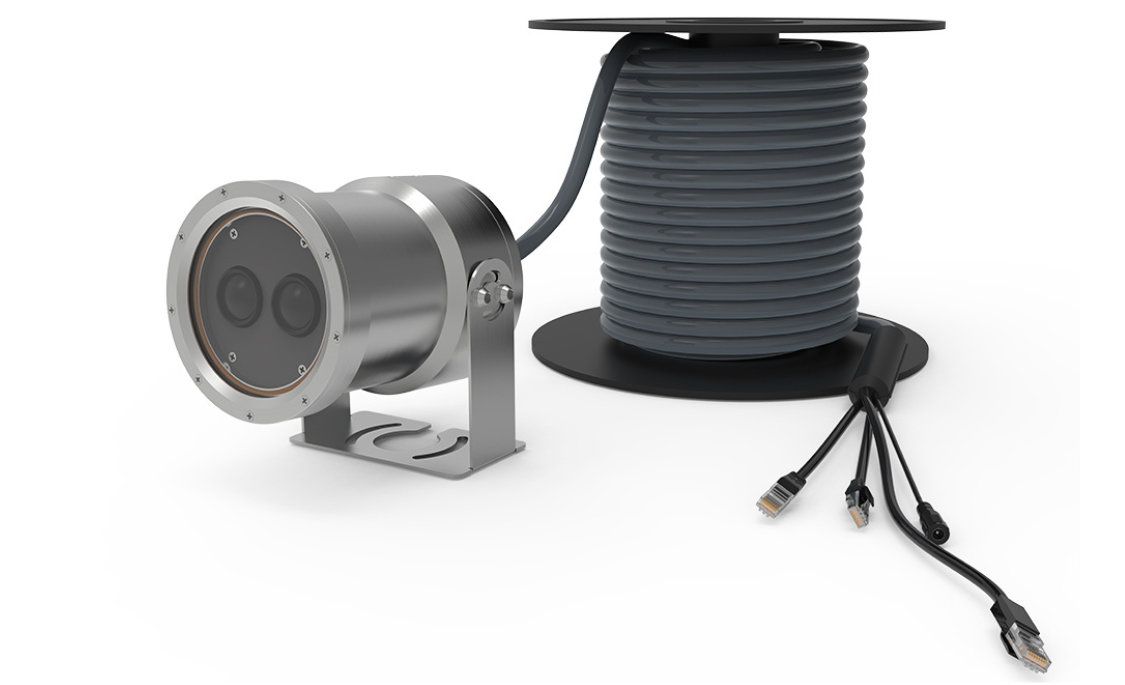
The housing should be treated as a pressure-bearing sealing system, not a simple shell. Its most critical elements are the main closure, lens-port interface, button shafts, cable entry points, and any removable covers, because each one can become an ingress path.
Key Engineering Principle:
Precision-machined interfaces, controlled gasket compression, and corrosion-resistant materials such as anodized aluminum or high-grade polymers are essential for reliability.
Waterproof Rating Requirements
For shallow or short-duration immersion, IP67 is the common baseline because it covers temporary submersion. If the camera will be used underwater in a meaningful way, however, a generic IP code is not enough on its own.
A true underwater housing should also specify an actual depth rating in meters, since hydrostatic pressure rises with depth and can exceed what a basic ingress rating implies.
Mechanical Sealing Details
The most reliable housings use O-rings or gaskets at every separable joint, with smooth mating surfaces and tight tolerance control. Moving controls are especially important: sealed push buttons, rotary shafts, or magnetic actuators are preferred over exposed mechanical penetrations because they reduce leak risk.
- Cable Glands: Must be submerged-service rated.
- Bulkhead Connectors: Critical for signal integrity under pressure.
- Strain Relief: Often the weakest point if not properly designed.
Other Camera Aspects
The optical system and image sensor still matter, but they are secondary to sealing when the topic is waterproofing. A well-designed camera can still fail if the housing leaks, while a moderate camera inside a robust enclosure can perform reliably in the field. That is why the waterproof mechanical structure is the foundation of the entire underwater imaging system.